

Top 10 Coffee Roasting Companies – 2023
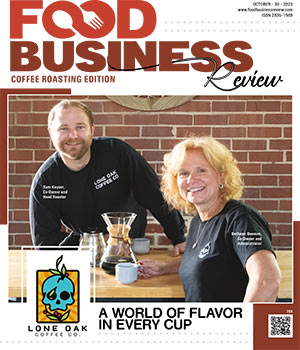
Coffee Roasting - 2023
Nominate a Company
Usually, the qualified subscribers of our magazine nominate companies with whom they have collaborated and experienced exceptional results to be in this list. Did a company you recently worked with give you stellar results and ROI? Did it turn out to be one you would wholeheartedly recommend to peers? Or do you know of such an outstanding company through your network? Please fill in the details below and nominate them to be featured here.

Top Coffee Roasting Companies

LONE OAK Coffee Co. is a wholesale coffee roasting company. It imports coffee beans, roasts them, and sells them to independently owned-coffee shops, regardless of whether they are brick-and-mortar stores, coffee trucks, or coffee stands. The firm also offers guidance to these businesses on various cafe-related matters. ... read full profile
Anodyne Coffee Roasting Co.
Anodyne Coffee Roasting Co., is a beacon of coffee culture, crafting exceptional brews in Milwaukee, Wisconsin. With a dedication to quality sourcing and meticulous roasting, they offer a diverse range of beans for an unparalleled coffee experience.
Fidalgo Coffee
Fidalgo Coffee provides one of the best cup of coffee available, and it has grown into a full-fledged roasting operation shipping coffee internationally. They perfectly roasted coffee powers the lattes, mochas, cold brews, and more at many of their favorite coffee houses and coffee stands.
Great Lakes Coffee Roasting Company
Great Lakes Coffee Roasting Company, fuses artistry with sustainability, they curate ethically sourced beans, expertly roasting them to perfection. They offer exceptional, environmentally conscious brews that capture the essence of the Great Lakes region.
Kahwa Coffee
Kahwa Coffee is a renowned for its artisanal approach. They meticulously select, roast, and brew beans, creating a sensory journey. With a commitment to quality, Kahwa delivers a coffee experience that transcends the ordinary.
Kaldi’s Coffee
Kaldi’s Coffee is dedicated to creating a memorable coffee experience for their customers and guests, committing to sustainable business practices, providing educational opportunities, and supporting the communities that we serve. Kaldi’s Coffee will strive to develop team members, build their brand, and promote their products.

Passenger Coffee
Passenger Coffee offers a guided approach to discovering and enjoying coffee and tea, prioritizing their unique experience. Their unique storage methods transform how they experience coffee from a seasonally-changing crop to an archive of notable harvests.

Ritual Coffee Roasters
Ritual Coffee Roasters is one of the fully independent and woman-owned coffee roasting company. They’ve always roasted coffees in small batches, and taste every roast because they’re obsessed with quality. Their roasting continues to illuminate the spectrum of what coffee can be.
Solid Coffee Roasters
Solid Coffee Roasters are committed to the pursuit for perfection and the effort to always improve and innovate to exceed the ever changing expectations of their customers and the market. They are not in the customer satisfaction business but rather the customer loyalty business.
Utica Coffee Roasting Co.
Utica Coffee Roasting Co., is a caffeine haven in Upstate New York. From their meticulously sourced beans to handcrafted roasts, every cup embodies their passion. With a commitment to community and quality, they deliver a truly exceptional coffee experience.
Tea and Coffee Info
Q1
What Do Top Tea and Coffee Processing Companies Do?
Top Tea and Coffee Processing Companies handle the steps that turn raw leaves, beans, extracts or beverage ingredients into consistent commercial products. Their work may include sourcing coordination, roasting, grinding, blending, extraction, flavor development, packaging support, quality checks and private-label production. For retailers, foodservice operators and beverage brands, these companies sit between agricultural supply and shelf-ready product. Strong tea and coffee processing companies understand both sensory quality and production discipline, since a small change in moisture, roast profile, particle size or packaging can affect taste, freshness and repeat purchase.
Q2
Why Does Tea and Coffee Processing Matter Now?
Top Tea and Coffee Processing Companies matter because consumer expectations around beverages have become more specific. Buyers want recognizable ingredients, consistent flavor, convenient formats, credible sourcing and products that can move across cafés, grocery shelves, e-commerce and hospitality channels. Demand is also shaped by premiumization, ready-to-drink beverages, cold brew, functional blends and private-label expansion. Processing is where those ideas become repeatable products. A promising flavor concept has limited value if the producer cannot manage batch consistency, supply variability, food safety documentation and packaging performance at commercial scale.
Q3
How Should Food and Beverage Buyers Evaluate Tea and Coffee Processing Companies?
Food and beverage buyers should look beyond product samples. A good cup or blend matters, but evaluation should also cover sourcing visibility, roast or extraction control, allergen handling, shelf-life testing, certifications, production capacity and documentation practices. For contract manufacturing or private-label work, communication discipline is just as important as equipment. Buyers should ask how specifications are locked, how deviations are reported and how changes in crop quality or ingredient availability are managed. The strongest tea and coffee processing vendors make quality measurable rather than dependent on informal taste approval.
Q4
What Business Value Do Top Tea and Coffee Processing Companies Deliver?
Top Tea and Coffee Processing Companies help brands reduce the gap between product ambition and daily production reality. They can support faster launches, tighter flavor consistency, better inventory planning and fewer quality surprises across channels. For cafés and foodservice operators, reliable processing protects menu consistency. For packaged beverage brands, it supports scale without losing the product identity that attracted customers in the first place. The value is often visible in fewer rejected batches, cleaner production records, stable sensory profiles and packaging that preserves freshness long enough to protect margin.
Q5
How Are Innovation and Technology Changing Tea and Coffee Processing?
Technology is changing how processors monitor quality, not just how they produce volume. Roast profiling software, automated grinders, extraction controls, moisture analysis, digital traceability and improved packaging materials all influence product consistency. Innovation also shows up in formats such as concentrates, pods, powders, ready-to-drink tea and coffee, low-sugar blends and functional beverage bases. Still, technology does not replace expertise. Top Tea and Coffee Processing Companies need trained sensory teams, disciplined production staff and practical knowledge of how raw materials behave across harvests, storage conditions and processing methods.
Q6
What Should Beverage Brands Prioritize When Comparing Processing Partners?
Beverage brands comparing Top Tea and Coffee Processing Companies should prioritize fit, not just size. A processor with the right equipment but weak communication can slow launches. A smaller specialist may be better for premium blends, while a larger facility may suit national private-label programs. Decision-makers should compare minimum order quantities, packaging flexibility, certification needs, ingredient controls, lead times, testing methods and the processor’s ability to protect flavor consistency as volumes change. The right partner gives buyers confidence in both the first production run and the fiftieth.
